Different regions have specific regulations regarding dimensions, weight limits, lighting, braking systems, and safety certifications. For example, trailers operating in Europe often require CE marking and ADR compliance for hazardous goods, while markets in Africa or Southeast Asia may follow different local standards. Working with a manufacturer who understands these requirements can streamline customs clearance and avoid costly delays.
1. Regulatory Compliance & Local Standards
Different regions have specific regulations regarding dimensions, weight limits, lighting, braking systems, and safety certifications. For example, trailers operating in Europe often require CE marking and ADR compliance for hazardous goods, while markets in Africa or Southeast Asia may follow different local standards. Working with a manufacturer who understands these requirements can streamline customs clearance and avoid costly delays.
2. Terrain & Operational Environment
Will your trailers run on well-paved highways, rugged mining sites, or in extreme climates? The choice of suspension (air vs. mechanical), tire specifications, frame strength, and corrosion protection should match the actual operating conditions. For instance, reinforced frames and high-quality rust-proof coatings are essential for trailers used in coastal or mining environments.
3. Cargo Type & Customization Needs
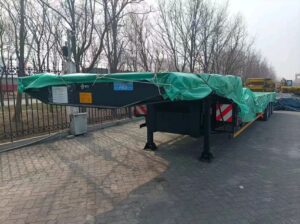
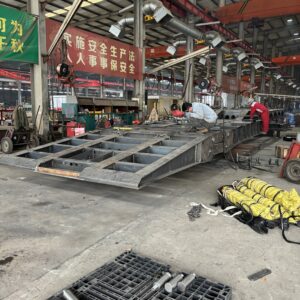
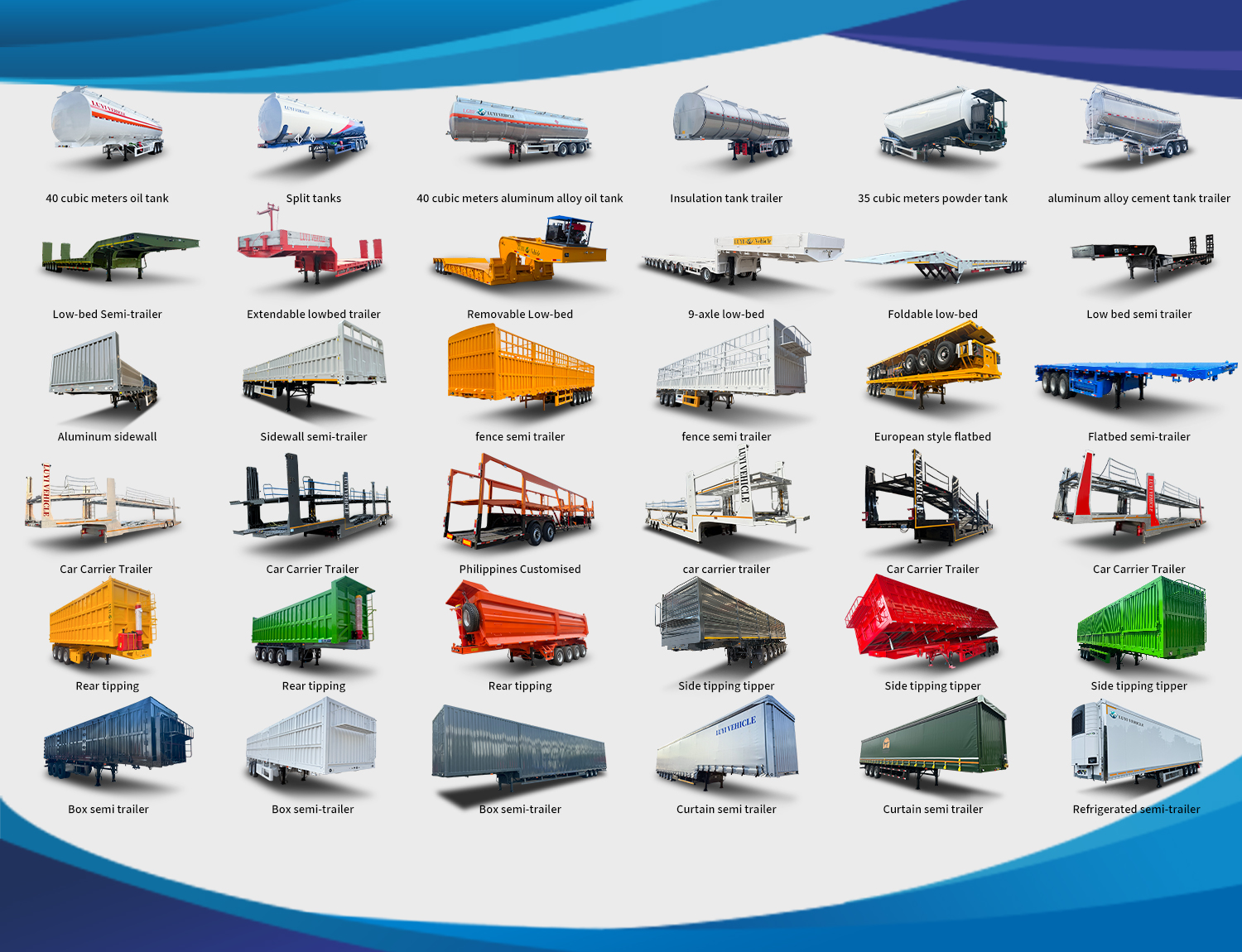
The nature of your cargo determines the trailer type—whether it’s a flatbed for machinery, a tanker for liquids, or a van for packaged goods. Beyond standard models, many operations require customization such as extendable decks, specialized securing points, lift axles, or temperature-controlled units. A flexible OEM/ODM partner can adapt the trailer to your exact load profile.
4. Total Cost of Ownership (TCO)
Look beyond the initial purchase price. Consider fuel efficiency (through lightweight designs), maintenance costs, part availability, warranty coverage, and resale value. A trailer with a 6-year structural warranty and access to genuine spare parts globally often delivers better long-term value, even if the upfront cost is slightly higher.
5. After-Sales Support & Service Accessibility
A reliable trailer needs reliable support. Before deciding, evaluate the manufacturer’s service network, technical assistance availability, and response time—especially in your operating regions. Can they provide remote troubleshooting, local technician dispatch, or emergency parts supply? Strong after-sales support minimizes downtime and keeps your fleet running.